
Ohio Severe Weather Week Tornadoes:
- Jeffery Kolling Jr.

- Mar 23, 2018
- 4 min read
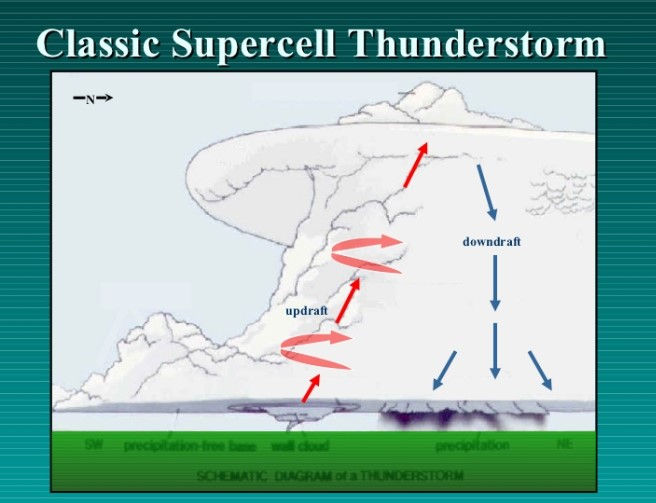
MAKING A TORNADO Tornadoes develop from severe thunderstorms but not every severe thunderstorm will create a tornado. It takes a special kind of severe thunderstorm known as a ‘supercell thunderstorm’.
Supercell storms develop when warm moist air from the South migrates north and collides with cool North air. These two don’t like each other very much, so when they meet, very strong supercell thunderstorms can develop – not always, but sometimes. Studies indicate that one thunderstorm in a thousand produce tornadoes.
It’s important to note that not every low hanging cloud in a thunderstorm is a tornado. Thunderstorms produce a variety of cloud shapes and many of these detach from the thunderstorm and can appear to be a tornado to the untrained eye. I’ve seen a ton of social media posts where people freak out over a ‘scud’ cloud believing that they’re witnessing a tornado.
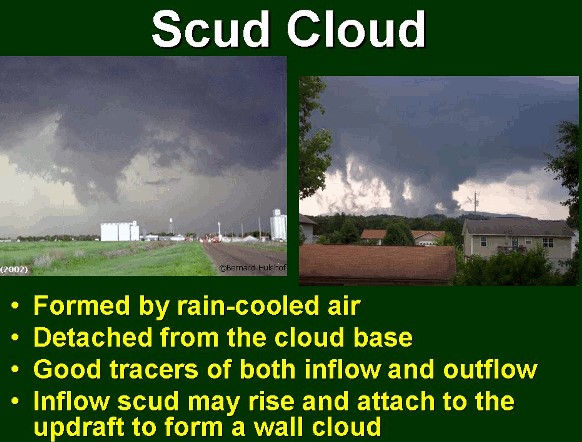
Scud clouds are harmless SLC’s (Scarry Looking Clouds) and very rarely make contact with the ground.
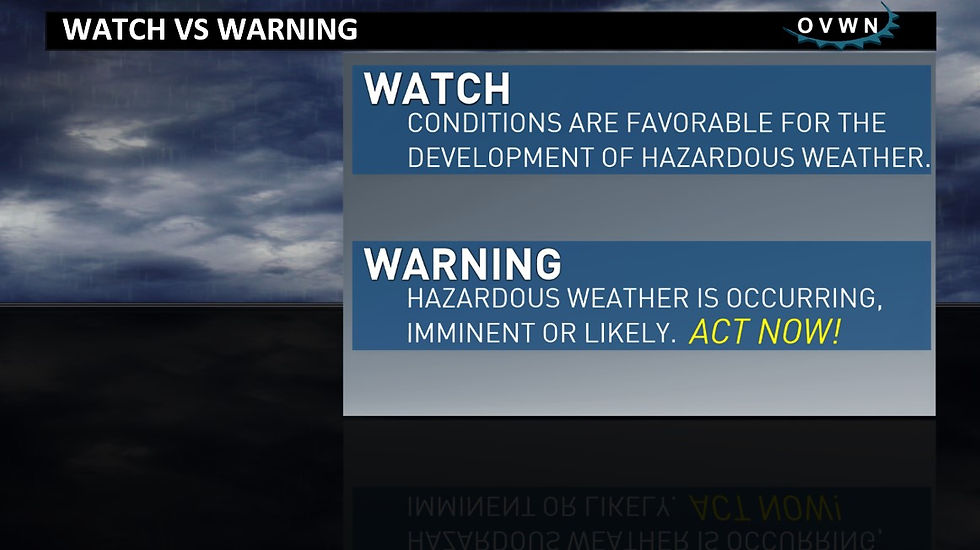
TORNADO WATHCES AND WARNINGS Just as it is with severe thunderstorms, the National Weather Service can issue watches and warnings for tornadoes. Tornado WATCHES are issued when atmospheric conditions are favorable for tornadoes to form in thunderstorms. And, just like it is with severe storm watches, tornado watches usually include a large WATCH area comprising of several counties.
A WATCH simply means tornadoes CAN form. It doesn’t mean they WILL form. Have a plan in place and know exactly where there is a substantial shelter you can get too quickly in the event of a warning.
A TORNADO WARNING is serious business. A WARNING means that a tornado has been spotted or one has been detected on radar. A TORNADO WARNING means you need to take immediate action to protect yourself and your family. Get to the lowest level in a building, such as a basement. If you don’t have a basement, get to the innermost interior of your home surrounded by walls. Stay away from windows and doors.
YOU AND YOUR FAMILY ARE NOT SAFE IN A MOBILE HOME DURING A TORNADO WARNING.
A Tornado Warning is issued for a much smaller area and often include only a portion of a county or counties.
KNOW WHERE YOU LIVE I’ve noticed through my social media activity that way too many people have no idea where they live. They haven’t a clue where your county is on an Ohio map. Worse yet, they don’t know their approximate location on a map of our county.
Weather headlines are almost always issued by county and most weather warnings only include parts of a county. If you haven’t a clue where you are in relation to a state of county map, how in the world do you know if you’re in an area threatened by severe weather. If you’re one who can’t find or don’t know your towns’
If you’re one who can’t find or don’t know your town’s approximate location on a state or county map, your first step in saving yourself and family from danger is to LEARN WHERE YOU LIVE. At least have a general idea of your location on an Ohio map. Type your address in Google maps and you’ll get a zoomable map showing where you are in less than 10 seconds.
Here is Ohio Valley Weather Network Coverage area.

STAY INFORMED AND HAVE A RELIABLE WAY TO RECEIVE WEATHER WARNINGS Your best defense against injury or death from severe weather events – including tornadoes – is knowledge, current information, and a plan. You have many ways to get information instantly – your cell, local radio and TV, the internet. Use them to your advantage and keep up with the latest local weather information.
THE ABSOLUTE BEST WAY to keep informed is with an NOAA Weather Radio. These little radio receivers are programmable for our area and can be completely customized for specific alerts issued by the National Weather Service. They automatically sound an alert when those alerts are issued – DAY OR NIGHT. Many retail stores and online stores have these inexpensive radios starting at around $30.
I’ll discuss weather radios in detail in a later blog this week.
There are also several good weather warning apps available that will sound an alarm. The Red Cross and FEMA both offer free reliable weather warning apps. Just make sure you have the warning criteria set properly for your area and you keep the app active day AND NIGHT.
Local media – TV and Radio – also offer severe weather information. HOWEVER, expect delays in alerts as the headlines are pushed to the outlet. And, what about storms at night? Do you leave the TV or radio on all night? We’re the most vulnerable when we’re sleeping and alerts during nighttime severe weather is critical. While these methodes are great during the day, it would be best to use a weather radio or app for nighttime alerts. Think smoke alarm.
DO NOT RELY ON OUTDOOR TORNADO SIRENS AS YOUR WARNING METHOD! Many folks mistakenly think outdoor tornado sirens are the best warning idea ever. Not really. Tornado sirens are meant as a warning system for folks who are OUTSIDE – they’re not meant to warn you in your home.
Outdoor sirens are an idea adapted from technology developed during World War II. We’ve come a long way in warning technology since the 1940s. No one – absolutely no one – recommends outdoor tornado sirens as a primary tornado warning system.
Simply put –
JUST DON’T RELY ON A TORNADO SIREN TO WARN YOU IN THE EVENT OF A TORNADO.
We’ll be discussing more severe weather safety all this week in the blog. It’s been a while since we’ve had to deal with spring and summertime severe weather so take some time this week to refresh your severe weather knowledge.
Knowledge and preparation are our only defense against severe weather. Chances are severe weather will affect you and your family at some point over the next 9 months. Be prepared, not scared.


Comments